Your customers expect fast, accurate deliveries, but behind the scenes, you're probably juggling inventory chaos, shipping delays, and rising costs.
These headaches don't just frustrate you; they drive customers straight to competitors.
Modern fulfilment systems have evolved to solve exactly these problems. From automated warehouses to real-time tracking, today's logistics infrastructure turns complexity into a competitive advantage.
In this guide, you'll discover how contemporary fulfilment logistics actually work, and how understanding these systems can transform your operations!
What Are Fulfillment Logistics?
Fulfillment logistics is the complete process of receiving, processing, and delivering customer orders. It includes everything from the moment inventory arrives at a warehouse to the delivery of a package to a customer's doorstep: warehousing, inventory management, order processing, picking, packing, shipping, and returns handling.
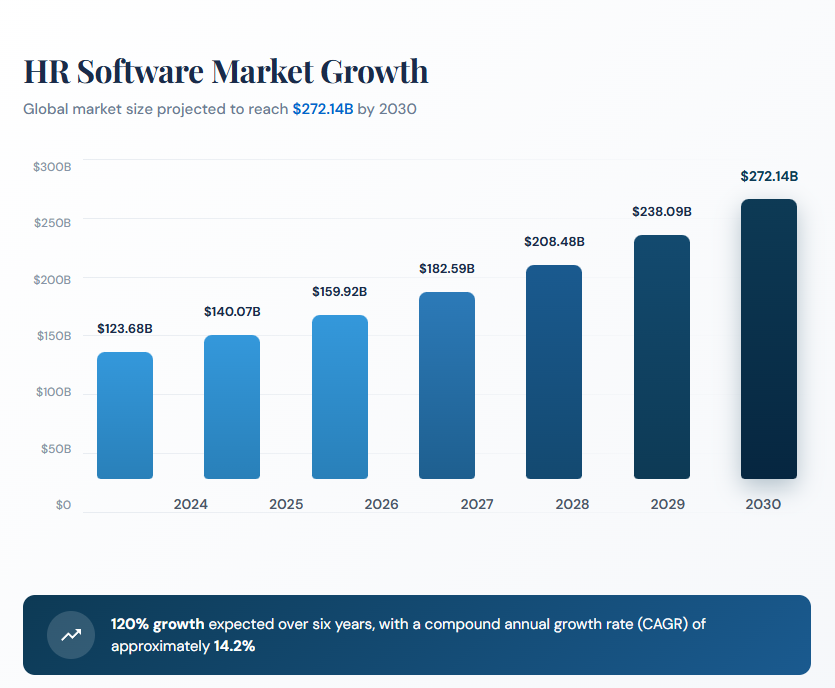
The global e-commerce fulfillment services market reached $123.68 billion in 2024 and is projected to grow to $272.14 billion by 2030 at a compound annual growth rate of 14.2%, according to Grand View Research. This growth reflects how critical efficient fulfillment has become for online retailers competing on delivery speed and customer experience.
7 Steps to the Fulfillment Logistics Process
1. Receiving Inventory
The fulfillment process starts when inventory arrives at the warehouse. Staff unload shipments, verify quantities against purchase orders, and inspect items for damage. Modern warehouses use barcode scanning to log each item into their warehouse management system (WMS), creating a digital record of available stock. Any discrepancies between expected and received quantities get flagged immediately for resolution with suppliers.
2. Warehousing and Storage
Once received, products move to designated storage locations within the warehouse. A WMS divides warehouses into bins and compartments to track the exact location of every SKU. Storage placement follows a strategic logic: fast-moving items are placed closer to packing stations, while seasonal or slow-moving inventory is placed farther away. Proper warehousing maintains inventory in optimal conditions and enables efficient retrieval.
3. Order Processing
When a customer places an order, the fulfillment system receives the order data and validates it against available inventory. The system checks for stock availability, payment confirmation, and shipping address accuracy. Once validated, the order enters the fulfillment queue and generates a pick list. Automated systems can process orders within seconds, enabling same-day shipping cutoff times that would be impossible with manual processing.
4. Picking
Pickers receive instructions to retrieve specific items from their storage locations. A WMS generates optimized pick lists to retrieve goods efficiently, whether through zone, wave, or batch picking, and improving your warehouse pick rate can significantly boost overall throughput. With mobile barcode scanning, workers scan each item during pick to verify it is the correct product and quantity. This real-time verification reduces errors that lead to returns and customer complaints.
5. Packing
After picking, items move to packing stations where workers select appropriate packaging materials based on product size, weight, and fragility. Packing involves kitting and assembly of promotional inserts, adding protective materials, and sealing the packages. Many operations use automated packaging systems that size boxes to minimize dimensional weight charges. Proper packing protects products during transit and reflects brand quality.
6. Shipping
Packed orders receive shipping labels and are entered into the carrier network. Fulfillment operations typically work with multiple carriers to balance cost and speed. Rate shopping software compares carrier options in real time to select the best combination of price and delivery time for each shipment. Orders move through sorting facilities and last-mile delivery networks to reach customers.
7. Returns Processing (Reverse Logistics)
Reverse logistics involves returns flowing back through the system. Staff receive returned items, inspect their condition, and determine disposition: restock, refurbish, or dispose. Efficient returns processing returns sellable inventory to stock quickly and processes customer refunds promptly. Poor returns handling frustrates customers and ties up capital in unsorted merchandise.
6 Common Fulfillment Challenges
Managing fulfillment operations presents ongoing challenges that can disrupt orders, increase costs, and damage customer relationships. Here are the most common obstacles e-commerce businesses face:
- Inventory inaccuracy. Mismatches between recorded stock and physical inventory lead to issues that supply chain data analytics can help prevent: overselling, backorders, and disappointed customers who ordered items you don't actually have.
- Slow order processing. Manual workflows and outdated systems delay orders from reaching customers, leading to missed delivery promises and lost sales to faster competitors.
- High shipping costs. Inefficient carrier selection, poor packaging choices, and scattered inventory locations drive up per-order fulfillment expenses, eating into margins.
- Peak season capacity constraints. Holiday rushes and promotional events overwhelm warehouse capacity, resulting in delayed shipments and temporary staffing errors.
- Returns management complexity. Slow or disorganized returns processing delays refunds, keeps inventory out of sellable stock, and frustrates customers who just want their money back.
- Lack of real-time visibility. Without accurate tracking across the fulfillment chain, problems stay hidden until they become customer complaints.
Why Do You Need a Third-Party Logistics Provider?
The third-party logistics market reached $1.5 trillion globally in 2024, according to GM Insights. That growth reflects a clear trend: brands that outsource fulfillment to partners like Productiv can focus on selling while experts handle the warehouse operations.
Here's what a 3PL brings to the table:
- Lower shipping costs. 3PLs consolidate volume across clients to negotiate carrier discounts that most merchants can't secure on their own.
- Variable cost structure. Pay for what you use instead of investing capital in warehouse space, equipment, and staff.
- Faster delivery. Strategic fulfillment center locations put inventory closer to customers, cutting transit times and shipping zones.
- Operational expertise. Fulfillment is their core business; they invest in technology and trained staff that most brands can't match in-house.
Why Fulfillment in Logistics Is Essential for E-commerce Success
Customer Satisfaction
Delivery experience directly shapes how customers feel about your brand. U.S. retail ecommerce sales reached $300.1 billion in Q3 2024 alone, according to the U.S. Census Bureau, and every one of those orders carried customer expectations about speed and accuracy.
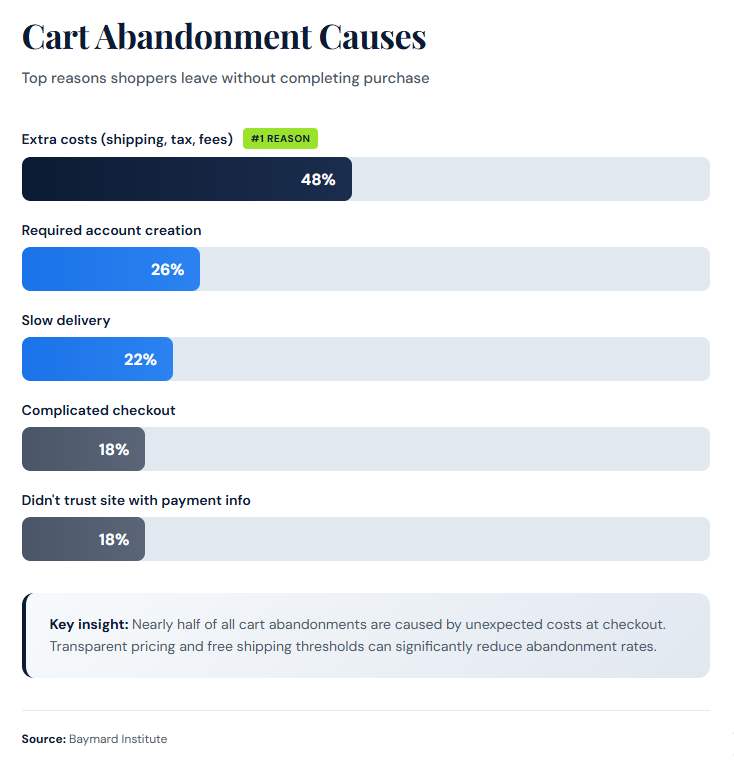
Research from the Baymard Institute shows that 22% of shoppers abandon carts specifically because delivery is too slow. When packages arrive late, are damaged, or contain incorrect items, customers leave negative reviews and take their business elsewhere. Fast, accurate fulfillment builds trust, turning first-time buyers into repeat customers.
Competitive Advantage
Same-day and next-day delivery have shifted from premium services to baseline expectations in many product categories. Brands that fulfill faster win the sale when customers compare options. Those with week-long delivery times lose to competitors who deliver in days.
Fulfillment capabilities also enable expansion into new sales channels. Marketplace sellers need to meet platform-specific fulfillment requirements. Wholesale accounts require different shipping configurations than direct-to-consumer orders. Strong fulfillment operations support multi-channel growth without operational chaos.
Cost Efficiency
Fulfillment costs account for a significant portion of the order value. Shipping fulfillment services represented nearly 40% of the global e-commerce fulfillment industry in 2024, according to Grand View Research. Every inefficiency in picking, packing, and shipping directly reduces margin.
Smart fulfillment operations minimize touches per order, right-size packaging to avoid dimensional-weight penalties, and select the optimal carrier for each shipment. They maintain inventory accuracy to prevent costly expedited shipping to correct stockout mistakes. These operational details compound into meaningful profit differences over thousands of orders.
Scalability
Growing order volume exposes weaknesses in fulfillment operations. What works for 100 orders per week breaks down to 1,000 orders per day. Manual processes become bottlenecks. Space constraints force expensive overflow solutions. Hiring and training lag behind demand.
Businesses that invest in scalable fulfillment infrastructure, whether through technology, 3PL partnerships, or both, grow without the operational crises that stall competitors. They handle seasonal peaks, successful promotions, and steady growth without delivery delays that damage customer relationships during critical periods.
Frequently Asked Questions
1. What is the difference between fulfillment and logistics?
Logistics is the process of planning, implementing, and controlling the movement and storage of goods throughout the supply chain. Fulfillment is a subset of logistics focused on warehouse operations and delivery processes that move individual customer orders from inventory to the doorstep. While logistics covers everything from raw materials to finished goods, fulfillment centers on the customer-facing order completion process.
2. How long does order fulfillment typically take?
Order fulfillment time varies by selected operation and shipping method. Many fulfillment centers process orders within 24 to 48 hours of receipt. Shipping transit then adds 1 to 7 days, depending on the carrier service level and distance. Same-day fulfillment is available for orders placed before the cutoff time, typically around noon, to qualify for same-day shipping.
3. What technology do modern fulfillment centers use?
Modern fulfillment operations rely on warehouse management systems that track inventory locations and optimize pick paths. Barcode scanners verify items at each step to prevent errors. Integration software connects order sources, such as e-commerce platforms and marketplaces, to warehouse systems. Advanced facilities include automation, such as conveyor systems, robotic picking assistance, and automated packaging equipment.
4. When should a business consider outsourcing fulfillment?
Businesses typically benefit from outsourcing when shipping volume exceeds 100 orders per month, according to industry guidance. Other signals include running out of storage space, spending excessive time on fulfillment rather than on growth activities, struggling to meet delivery promises, or expanding into new geographic markets. The math usually favors outsourcing when in-house fulfillment costs exceed 3PL pricing, even if results are slower.
5. What is reverse logistics in fulfillment?
Reverse logistics covers the process of handling returned merchandise. This includes receiving returned items, inspecting their condition, processing customer refunds, and determining whether to restock, refurbish, liquidate, or dispose of them. Effective reverse logistics returns sellable inventory to stock quickly while enabling customers to receive refunds promptly. Poor reverse logistics ties up capital and creates customer service problems.
6. How do fulfillment costs impact product pricing?
Fulfillment costs must factor into product pricing and margin calculations. These costs include storage fees, pick-and-pack charges, packaging materials, and shipping expenses. Businesses that underestimate fulfillment costs in their pricing find their margins squeezed as they scale. Many brands build shipping costs into product prices to offer free shipping, which research shows reduces cart abandonment.
7. What metrics should I track for fulfillment performance?
Key fulfillment metrics include order accuracy rate, on-time shipping percentage, average fulfillment time, cost per order, inventory accuracy, and return rate. Tracking these metrics helps identify operational issues before they become customer complaints.
Key Takeaways
- Fulfillment logistics encompasses the entire process, from receiving inventory through delivery and returns.
- The global e-commerce fulfillment market is growing at 14.2% annually, reaching $272 billion by 2030.
- Seven core steps: receiving, warehousing, order processing, picking, packing, shipping, and returns.
- Common challenges include inventory accuracy, slow processing, high shipping costs, and peak-season capacity constraints.
- 3PLs offer cost savings through volume discounts, geographic distribution, and operational expertise.
- 22% of shoppers abandon their carts due to slow delivery; fulfillment speed directly impacts conversion rates.
- Track order accuracy, on-time shipping, fulfillment time, and cost per order to measure performance.
- Consider outsourcing when volume exceeds 100 orders per month or fulfillment limits growth.
20 Years of Kitting Excellence
Ready to Streamline Your Supply Chain?
Join industry leaders achieving 99%+ SLA performance with flexible kitting, fulfillment, and 3PL solutions.
Get in Touch