// PRODUCTIV
Fulfillment, Kitting & Automation — From the Operators Running It
Productiv is a national 3PL operating fulfillment, kitting, assembly, and embedded manufacturing programs — with cobots and humanoid robots running in live production. This is what we've learned.

20 yrs
Experience — 1B+ Units Packed
1,200+
Human Operators Across 12 Sites
13
Cobots in Live Production
2
Humanoid Robots in Production
Resources by Operation Type
Retail compliance, labor management, and warehouse robotics — pick the track that matches your operation.
Brands & Retail Programs
Getting into Walmart, Target, or Costco requires EDI, OTIF, routing guides, and chargeback infrastructure that most 3PLs don't have.
Manufacturers & Operators
The embedded model ties labor cost to throughput output — not hours billed — with process discipline and operational ownership included.
Robotics & AI
We've been running cobots and humanoid robots in live production since 2025 — here's what the economics actually look like.
Free Tools & Calculators
Run the numbers on your operation — no signup required.
Turnover Rate Calculator
Your true turnover rate and what churn is costing you
Chargeback Calculator
See what retail compliance failures cost you
Kitting & Assembly Cost
Real cost ranges and in-house vs. outsourced comparison
3PL Checklist
Evaluate your 3PL's compliance readiness
EDI Onboarding Checklist
Plan your retail EDI setup
Running a fulfillment, kitting, or assembly operation?
We're operators. Happy to walk through what we're building — no pitch.
Article Library
Operational guides and field-tested perspectives — built for operators.

How to Evaluate a 3PL on Profitability, Not Just Price
The right question isn't "which 3PL is cheapest?" — it's "which 3PL makes my business most profitable?" A six-criteria evaluation framework with weights you can adapt: contribution margin per order, chargeback exposure, error cost, peak reliability, speed-to-market, and management overhead.

How a High-Volume DTC Brand Went All-In With Us Before Peak — and Made It Stick
A DTC brand with roughly 65% of annual sales landing in Q4 didn't bet the business on a new 3PL — they started with a single SKU through peak, measured the results, then consolidated their full catalog from two warehouses to one partner. Here's how the low-risk entry worked and the operating cadence that makes it stick.

Switching 3PLs Mid-Year Isn't the Risk You Think — If Onboarding Is Done Right
The calendar isn't what makes a mid-year 3PL switch risky — onboarding quality is. Here's what a disciplined transition actually looks like: systems integration in days, inventory counts verified at receiving, an SLA ramp, and a parallel-run instead of a hard cutover.

All-In Unit Rate vs. the True Cost of Fulfillment
The per-unit rate on a 3PL quote is one layer of what fulfillment actually costs. Here's the full cost stack — base rate, accessorials, receiving, storage, chargebacks, error rework, and management time — and how to compare quotes on the number that matters.

What a Fulfillment Recovery Looks Like, Step by Step
After a fulfillment failure, "getting back to normal" is not a plan. This is the full recovery arc operators actually run: honest assessment, stabilization, root cause, rebuild — and the exit criteria that tell you the recovery is real, not just a quiet week.
Fixing Fulfillment Without Firing Your 3PL
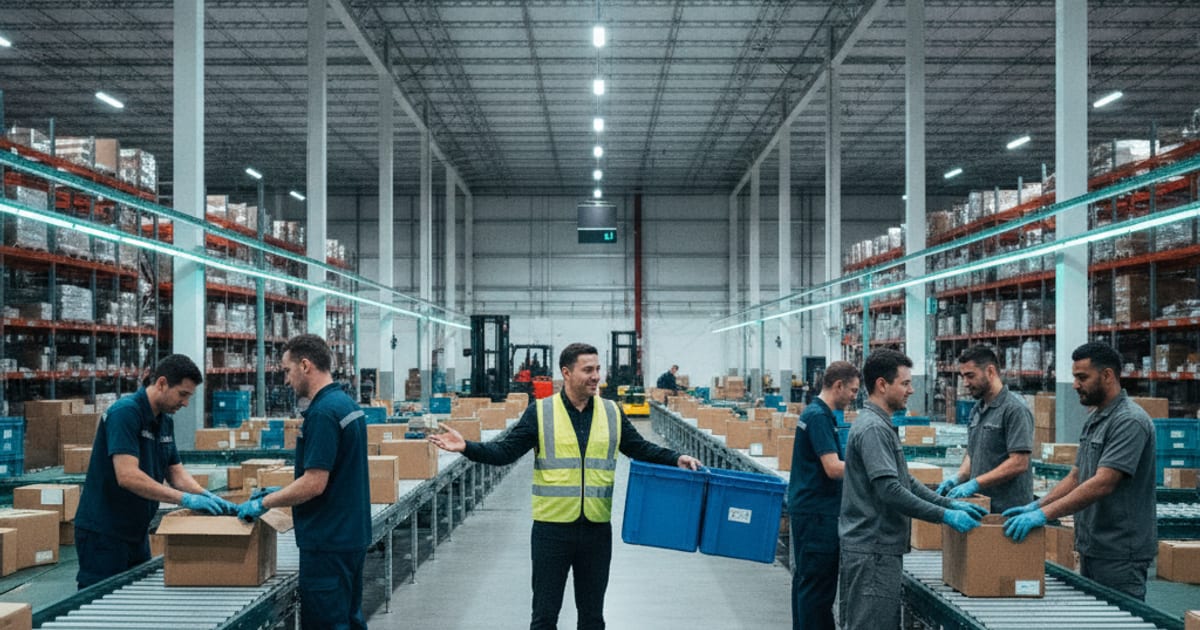
Between suffering quietly and a full rip-and-replace switch, there's a set of middle options most brands never consider: split a slice of volume to a second partner, put operators inside your own facility, or bring in recovery support to rebuild the process. Here's how each one works.

What to Do When Your 3PL Starts Failing Mid-Peak
Orders are aging, SLAs are slipping, and it's the worst possible month for it. This is the first-48-hours triage playbook: quantify the failure, open a direct escalation line, protect your retail-committed volume, and know which moves make things worse.

7 Signs Your 3PL Won't Survive Q4
Peak-season fulfillment failures almost never come out of nowhere — they announce themselves in July and August. Here are seven observable warning signs that your 3PL is heading into Q4 undercapacity, and what to check this week for each one.

The Pre-Peak 3PL Readiness Checklist: 5 Questions to Ask Before October
Five questions — capacity ramp, receiving cutoffs, kitting lead times, SLA reporting during peak, and the contingency plan — that tell you whether a fulfillment partner is ready for your Q4. Each with what a good answer actually sounds like.

Holiday Kitting Lead Times: What to Lock by August
A holiday kitting program that ships in October gets locked in August. The reverse timeline for components, kit configuration, line booking, and test runs — what must be fixed now, and what can still flex later.

Forward-Stocking and Safety Stock Before Q4: The Inventory Moves to Make Now
The inventory decisions that determine your November ship performance happen in July and August. A reverse calendar for safety stock, forward-stocking, and receiving cutoffs — so your stock is positioned before peak, not chasing it.
How to Know If Your 3PL Can Actually Handle Peak Volume
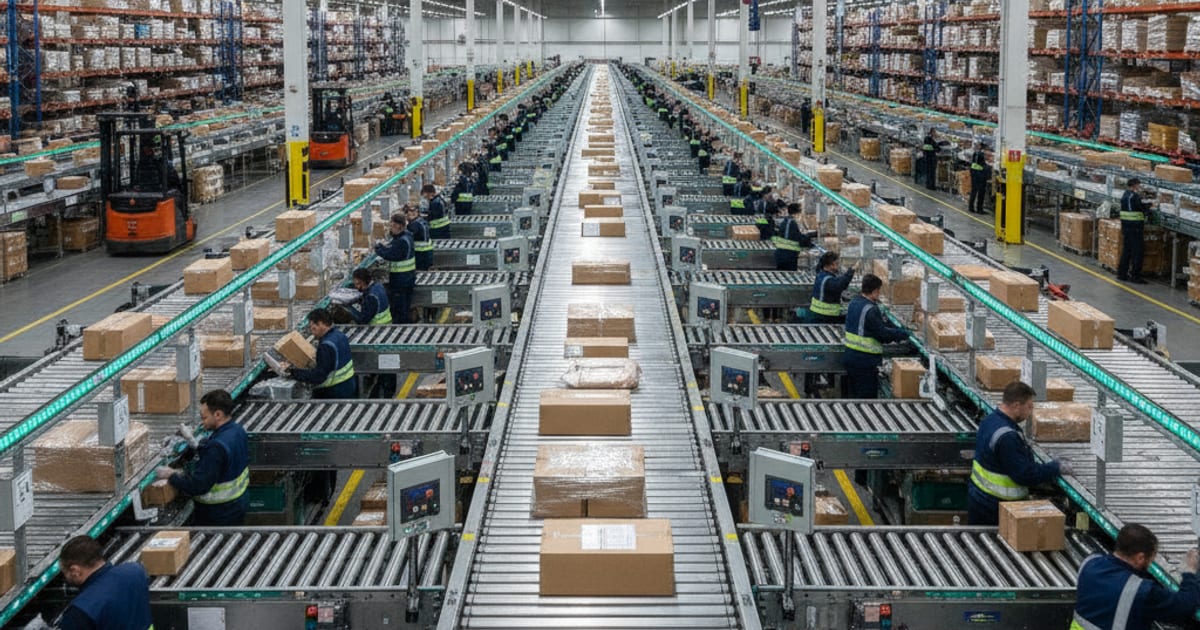
A 3–5x Q4 volume spike doesn't test your 3PL's average performance — it tests their labor ramp model, space flex, and throughput ceilings. Here are the signals that show whether a partner can absorb peak, and the questions that surface them before October.
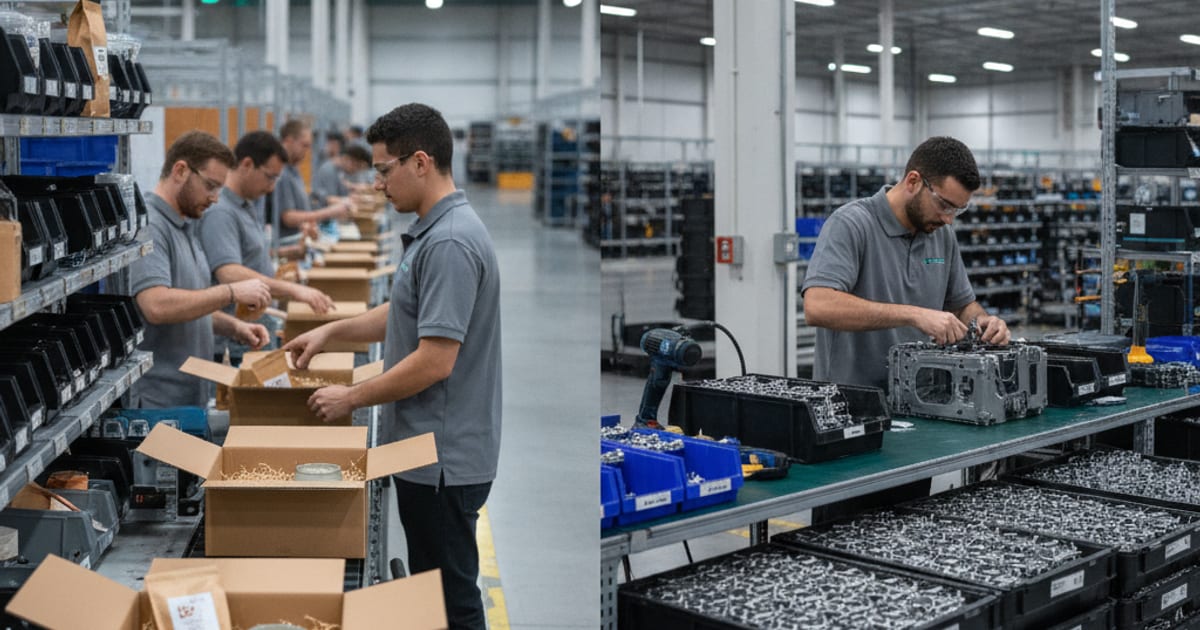
Kitting vs. Assembly: What's the Difference (and When You Need Each)
Kitting gathers multiple finished SKUs into one new sellable unit. Assembly combines components into a finished product that didn't exist before. The difference drives your labor model, your pricing, and your compliance requirements — here's how to tell which one your program needs.

Kitting vs. Bundling: Which One Does Your Product Strategy Actually Need?
Bundling is a merchandising decision that can live entirely in software. Kitting is a physical operation that creates a new pickable SKU. Most brands start with one and grow into the other — here's how to tell where your program sits and when a bundle needs to become a kit.

Scaling Ecommerce Personalization: The AI Workflow Behind Our Embroidery, DTF, and Gift Wrap SLAs
Personalization at ecommerce scale inverts every assumption baked into traditional 3PL workflows — every order is one-of-one, but SLAs don't relax for it. Here's the AI orchestration we built to hold same-day ship windows across embroidery, DTF printing, gift cards, and gift wrapping.
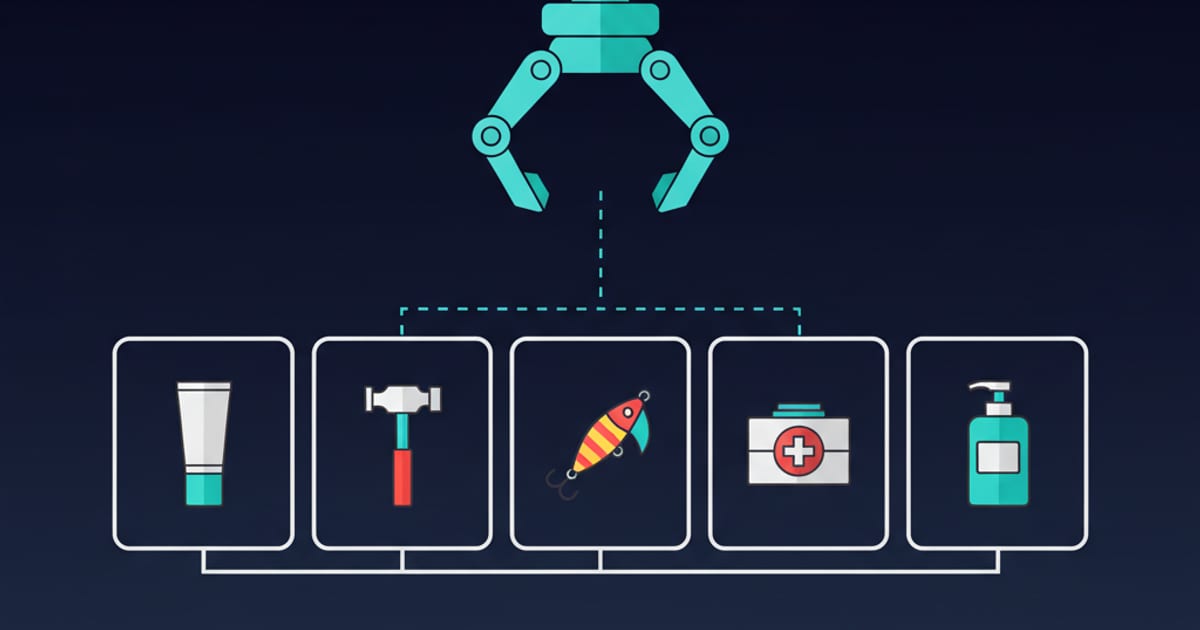
Why I Measure Humanoid Robots by SKU Coverage at Productiv
We run roughly 500 million pick-and-place operations a year across more than 100,000 SKU types. SKU coverage — the share of that universe a robot can reliably pick — is the metric I use to evaluate every humanoid we deploy.
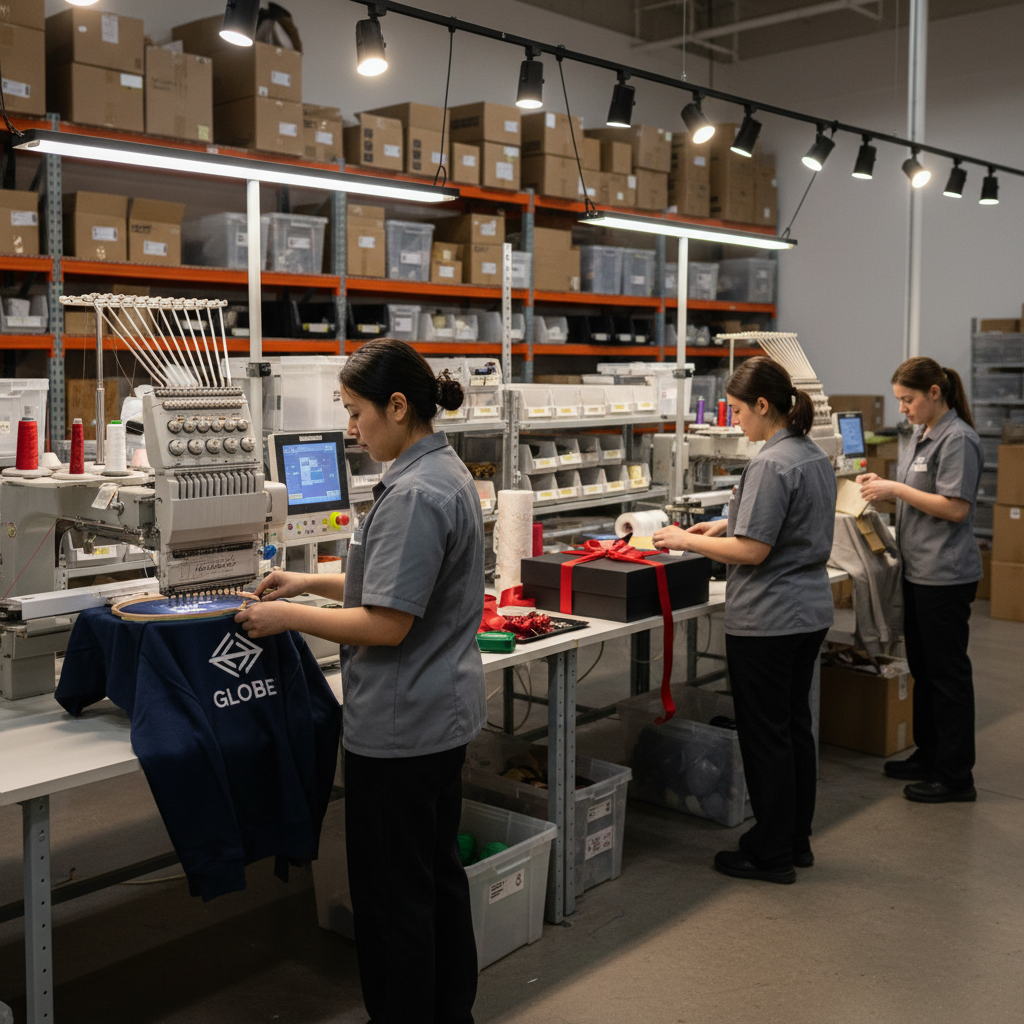
Personalized Fulfillment at Scale: How Enterprise Brands Run Embroidery, Printing, and Gift Wrap Programs Through a 3PL
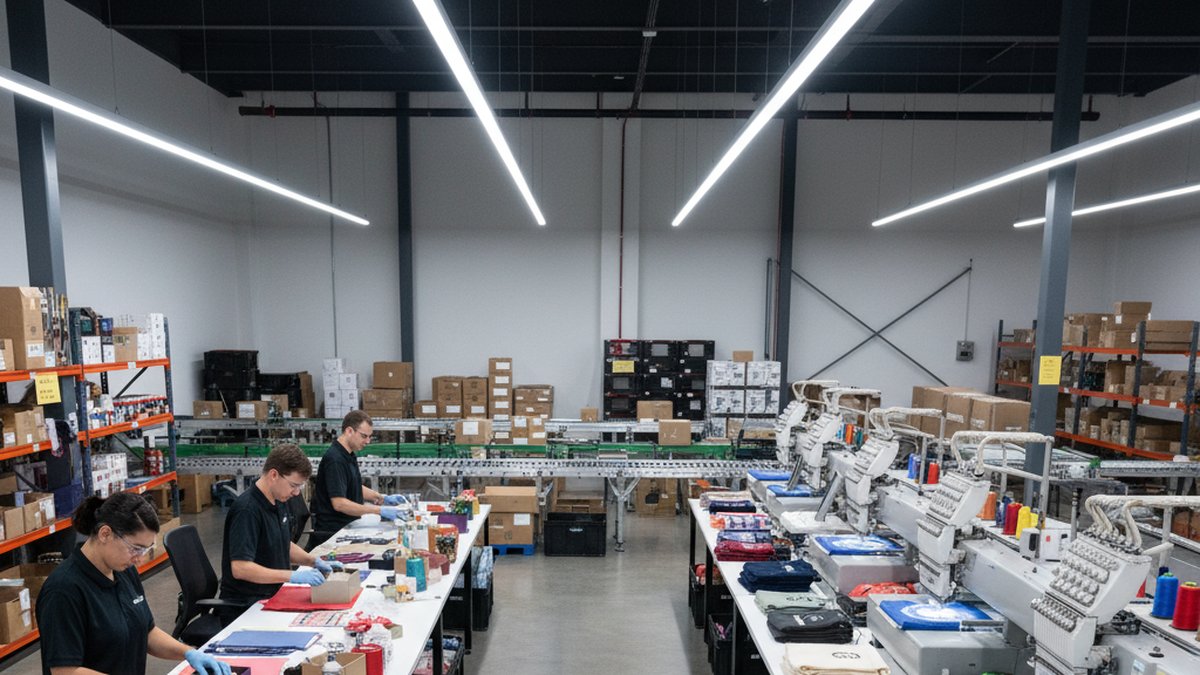
Most 3PLs treat personalization as a special request. Enterprise brands need it run as a production program — consistent embroidery, printing, handwritten notes, and gift wrapping across thousands of orders without sacrificing throughput.
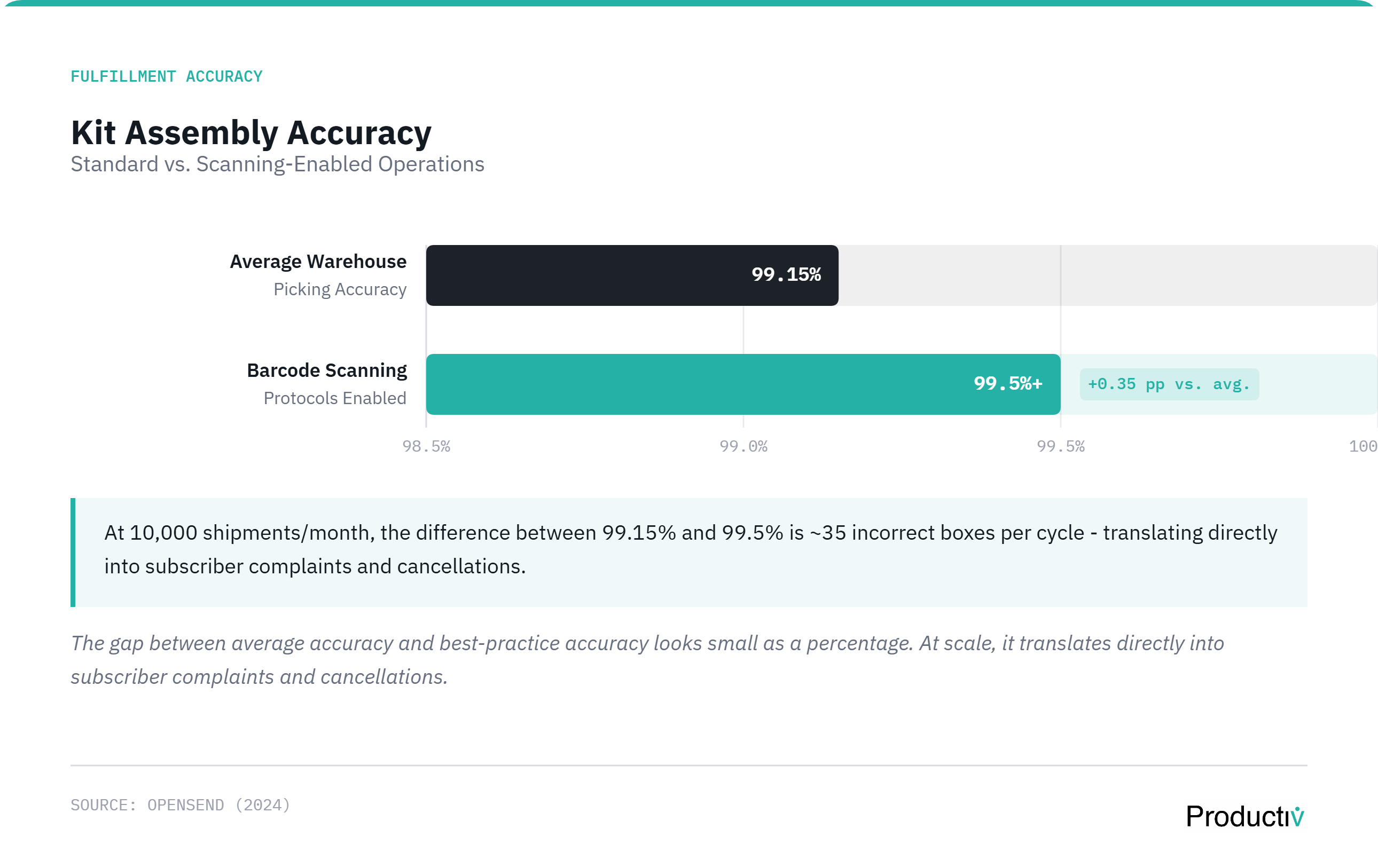
How to Choose a Subscription Box Fulfillment Partner?
Standard e-commerce processes individual orders as they arrive. Subscription fulfillment is the opposite: predictable in timing, intense in volume, and coordinated around a fixed b
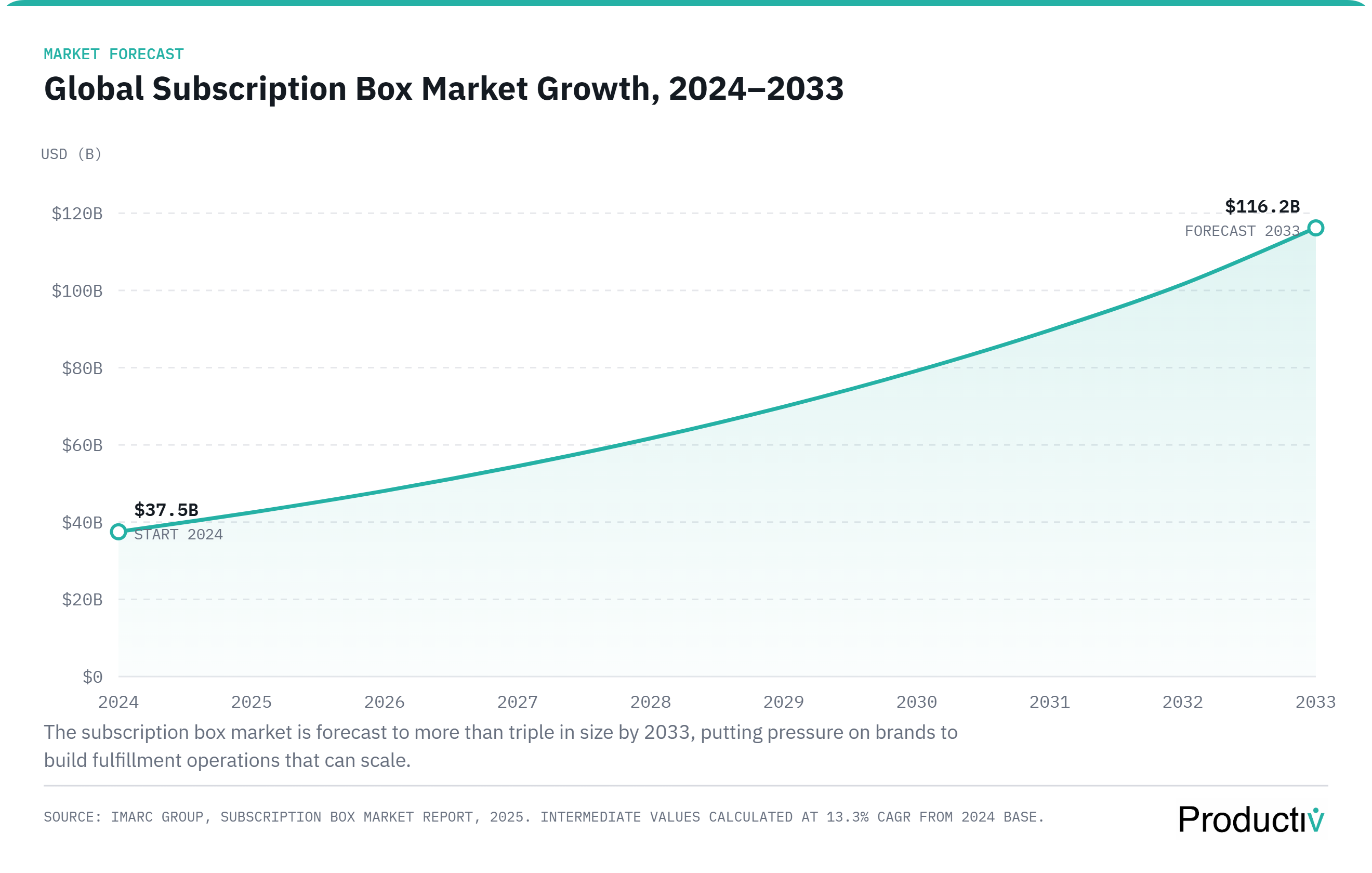
In-House vs. Outsourced Subscription Box Fulfillment
Before getting into the details, here's a side-by-side of the factors that matter most. If you're early-stage and short on time, this table alone will point you in the right direct
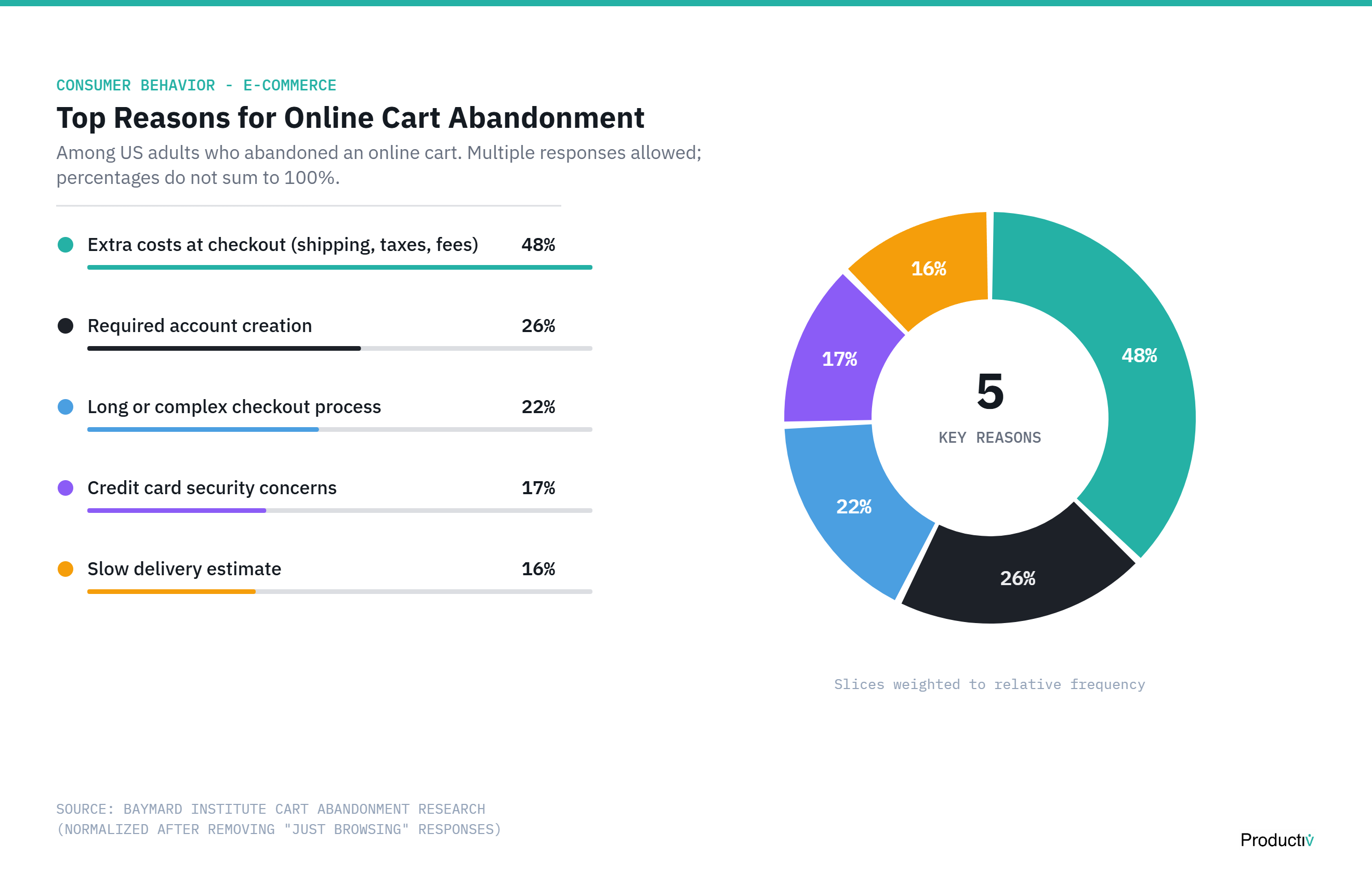
9 Proven Ways to Reduce Subscription Box Shipping Costs
Learn how to reduce subscription box shipping costs and stop losing margin on fulfillment. See which strategies work best for your operation!
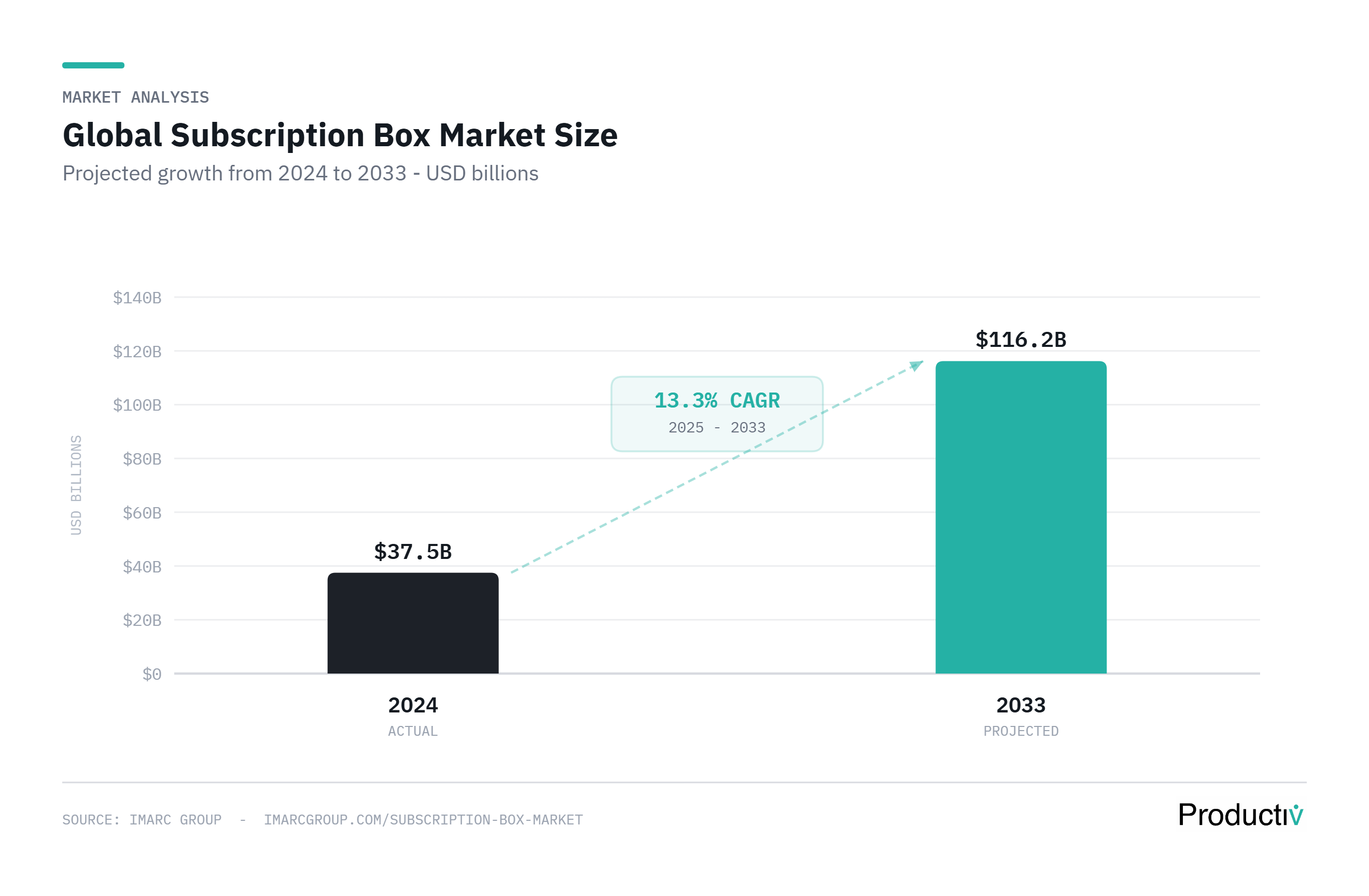
How to Start and Scale Your Subscription Box Business in 2026
Each step below builds on the last. Skipping ahead – launching before validating demand, or scaling fulfillment before nailing margins – is where most subscription box businesses l
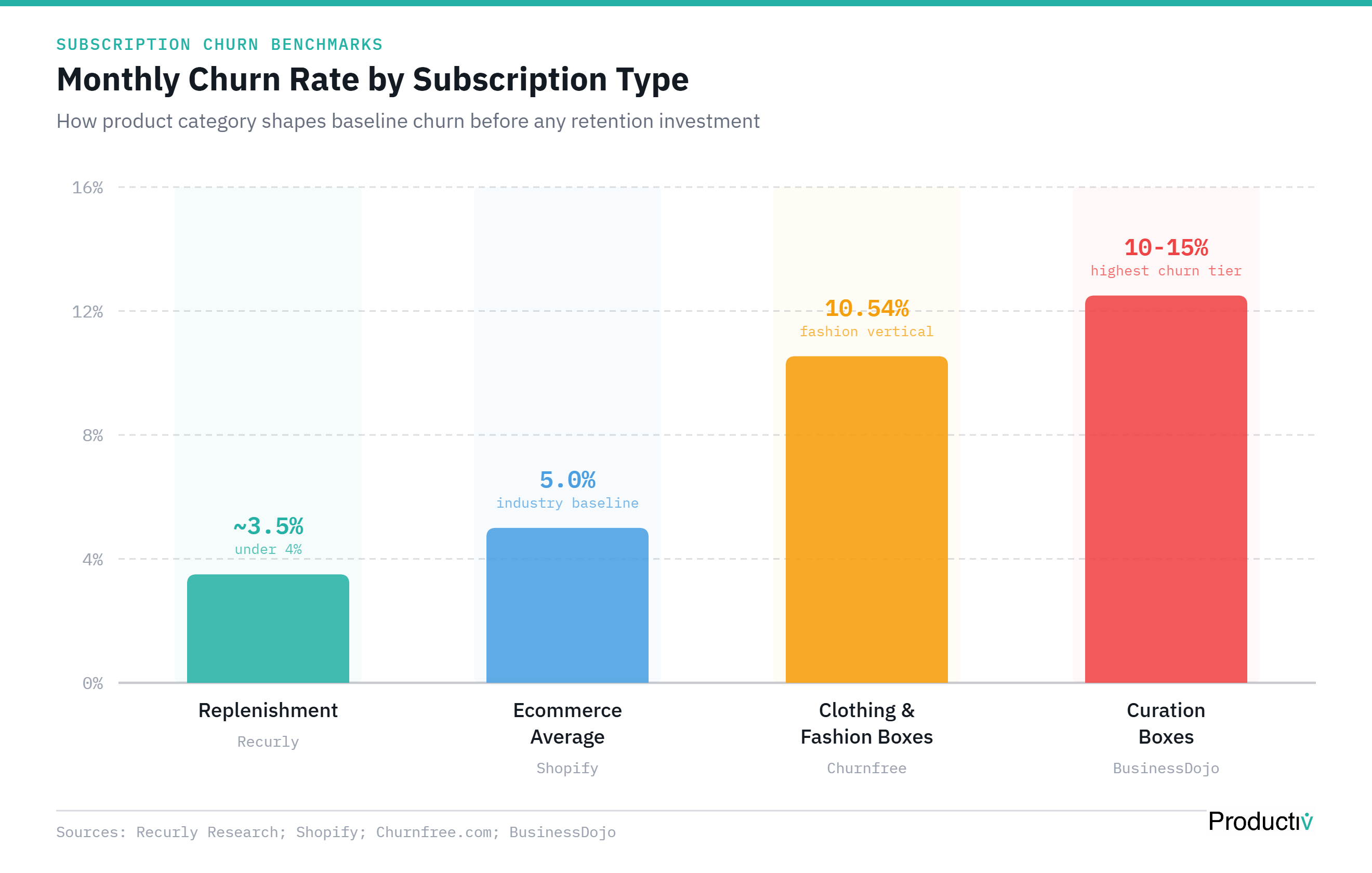
Subscription Box Business Ideas: What Actually Scales (Patterns From 30M+ Kits)
Before getting into the list, two variables determine whether a subscription box idea has legs.
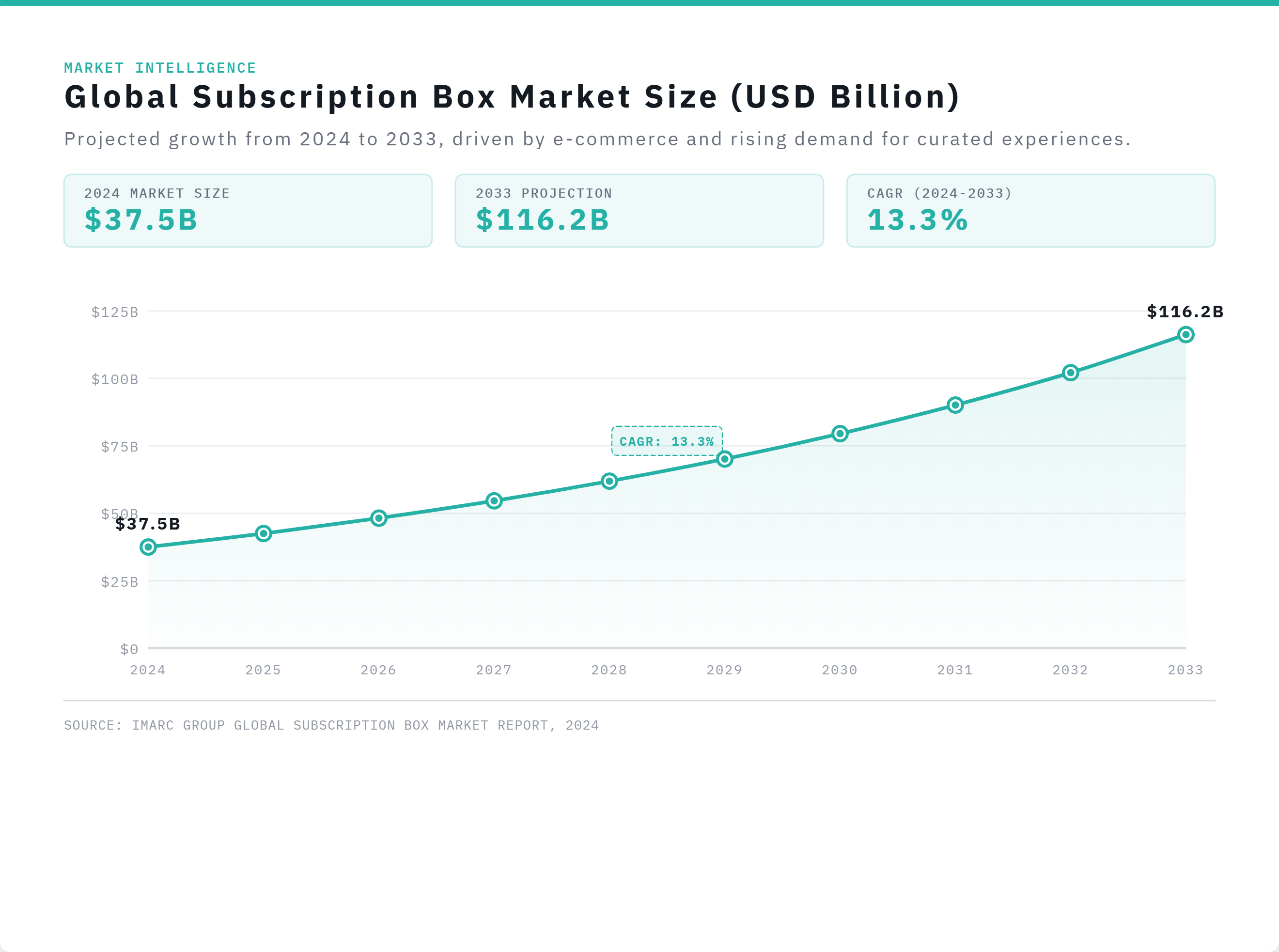
Subscription Box Fulfillment Checklist for Smoother Operations
Getting fulfillment right doesn't start when boxes hit the packing station. It starts 4-6 weeks before your ship date.
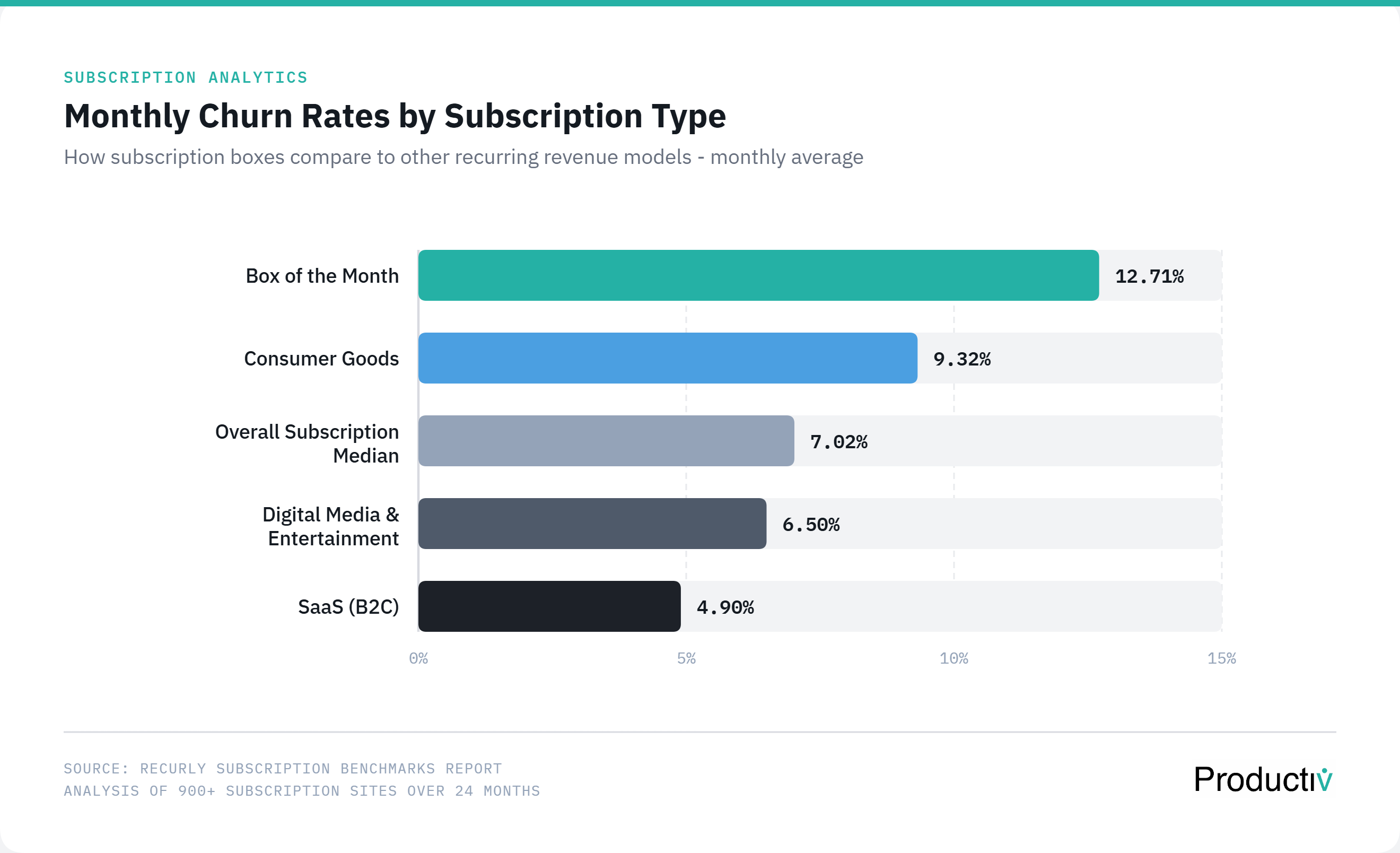
8 Subscription Box Inventory Management Tips for 2026
Most e-commerce businesses replenish inventory based on real-time daily demand. Subscription boxes don't work that way.
Retail Compliance Library
Retailer-specific requirements, compliance topic guides, and free tools — written by the teams that ship to these retailers every day.
Retail Compliance 101
The complete vendor requirements guide
Chargeback Prevention
How to systematically eliminate chargebacks
Walmart Compliance
OTIF, routing guide, and MABD requirements
Target Compliance
ASN accuracy and PO compliance
Costco Compliance
Club store fulfillment requirements
Kroger Compliance
Grocery supplier requirements
Dick's Sporting Goods
Specialty retailer compliance
OTIF Guide
On-Time In-Full requirements
ASN Best Practices
Preventing shipping notice failures
EDI Setup
What new vendors need to know
Routing Guides
Supplier requirements explained
GS1 Labeling
UPC, SSCC-18, and GS1-128
Chargeback Recovery
How to dispute and recover
Want to Talk Through Your Operation?
Whether you're onboarding your first retailer, scaling a drone program, or solving a throughput problem — Productiv handles the operational complexity so you can focus on growth.
Talk to Productiv